
A fresh coat of paint can brighten your Chattanooga property, but sometimes it hides deeper problems. Ignoring repairs like wood rot or siding damage can lead to costly headaches down the road. Knowing when to tackle repairs before repainting protects your investment and ensures a stunning, lasting finish. Let’s explore the key signs that signal your property needs repairs first—and how our family-owned team handles every detail with care and expertise. For more insights, check out this helpful resource.
When Repainting Isn’t Enough
Sometimes a paint job isn’t enough to make your property look its best. There are signs that tell you repairs are needed before adding a new coat of paint. Spotting these issues early can save you time and money.
Signs of Structural Damage
Peeling paint might be more than just an eyesore. It can point to deeper issues like wood rot or moisture damage. If you notice cracks or bubbles, it’s time to take a closer look. These signs often mean the surface underneath isn’t as solid as it should be. Catching these problems early helps prevent more costly repairs later.
The Importance of Repairs
Fixing underlying issues before painting is crucial. This ensures the paint adheres well and lasts longer. If you skip repairs, the new paint might peel or crack quickly. Addressing problems like moisture damage or wood rot gives you a smooth, durable finish.
Common Repair Needs Before Painting
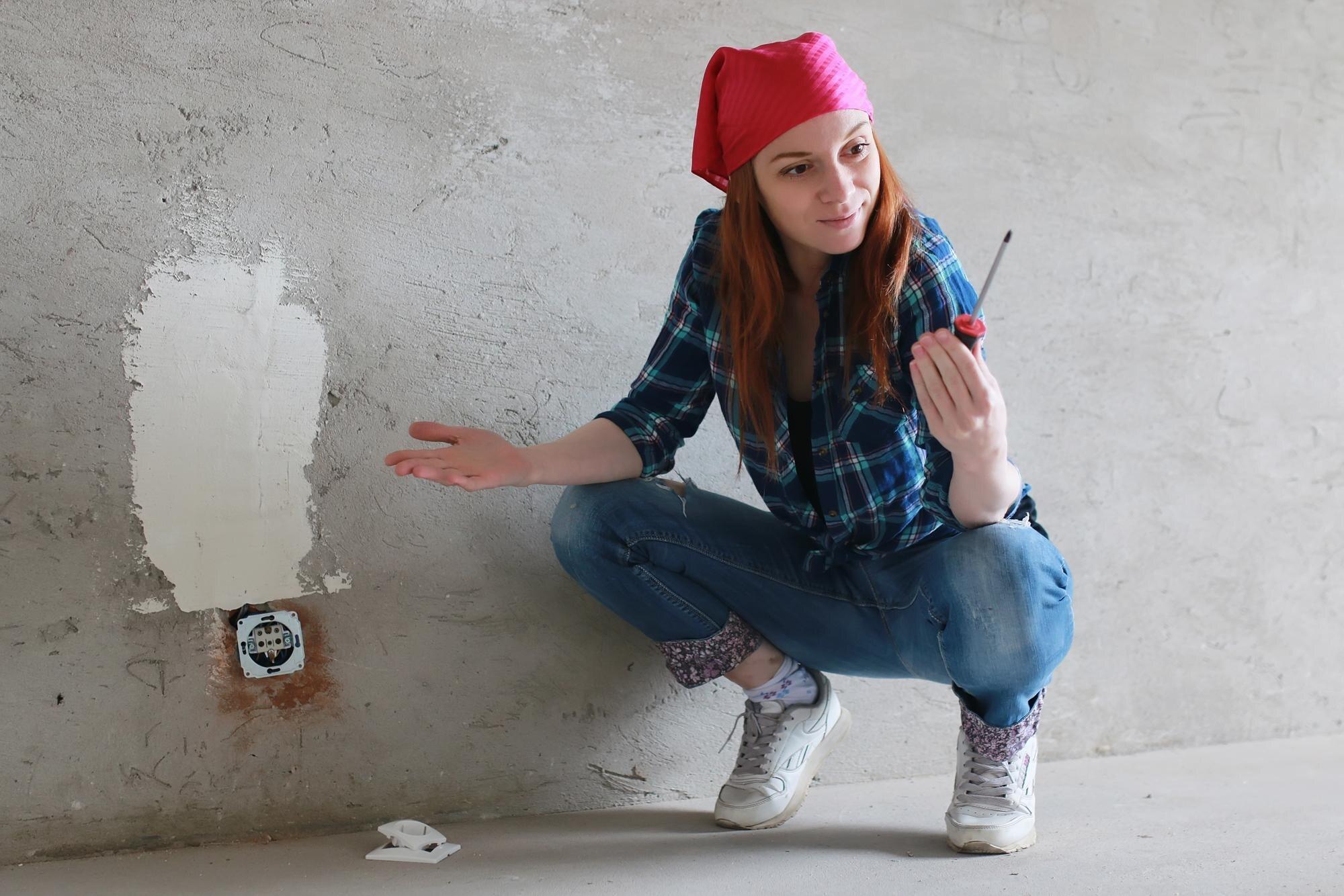
Knowing what to repair before painting can be tricky. Common issues include wood rot, moisture damage, and drywall or siding problems. Each requires a different approach to fix.
Wood Rot and Moisture Damage
Wood rot often hides under peeling paint or soft spots. It’s common in areas exposed to water, like window sills. Ignoring it can lead to bigger issues like structural damage. To fix wood rot, remove the decayed wood and treat the area to stop further damage. Addressing moisture damage involves finding the source of water and sealing it off. This might include fixing leaks or improving ventilation.
Issues with Drywall and Siding
Drywall cracks might seem minor, but they can grow if left untreated. They often appear from settling or water damage. To repair drywall, fill cracks with joint compound and sand it smooth. Siding problems can range from minor cracks to major gaps. Repairing siding might involve patching small areas or replacing entire sections. Both drywall and siding need to be solid before painting begins.
Choosing the Right Service

Finding the right service for your painting and repair needs ensures quality results. Look for a team that provides detailed attention and clear communication.
Benefits of Owner-Supervised Projects
Having the owner onsite means you get personalized attention. This supervision ensures every detail is handled correctly, from repairs to the final coat of paint. It means fewer surprises and a better finish.
Bilingual Communication for Clarity
Clear communication is key in any project. Choosing a bilingual service lets you discuss your needs comfortably in your preferred language. This ensures everyone is on the same page and leads to better results.
Frequently Asked Questions
What are the signs my property needs repairs before painting?
Peeling paint, cracks, and bubbling are common signs. They often indicate issues like wood rot or moisture damage beneath the surface.
Why is it important to repair before painting?
Repairing ensures the new paint adheres properly and lasts longer. It prevents future problems and protects your investment.
How can I find a reliable painting and repair service?
Look for services with owner supervision and bilingual communication. This ensures attention to detail and clear understanding of your needs.
What should I do if I notice wood rot or moisture damage?
Address these issues immediately. Remove decayed wood, fix leaks, and improve ventilation to prevent further damage.
Why is bilingual communication important in painting services?
It ensures that all parties fully understand the project details, leading to better outcomes and customer satisfaction.