
Most painting projects skip key prep steps that lead to peeling and uneven color down the road. If you want your Chattanooga painting job to last, understanding what a professional painting prep process includes is the first step. From surface preparation to primer and adhesion, we’ll break down what sets careful, owner-supervised painters apart and what you should expect before a single brush touches your walls. Ready for a smooth, lasting finish? Call or message to schedule your free on-site estimate and prep walkthrough today. We speak Spanish and English. Learn more about painting prep here.
Comprehensive Painting Prep Steps
Initial Consultation and Planning
The first step in a successful painting project is a detailed consultation. This ensures that your vision and expectations are understood. You will meet with a painting expert who listens carefully to your ideas and needs. They’ll discuss color choices, finishes, and any specific requirements you have. This meeting also allows for scheduling that suits you best. It’s a chance to address any questions or concerns, ensuring a smooth start to your project.
During this phase, you’ll receive guidance on the best options for your space, whether it’s interior or exterior painting. The goal is to create a plan that aligns with your vision while considering practical aspects like timelines and budget. With a well-thought-out plan, you can proceed with confidence, knowing that every detail is accounted for before any painting begins.
Surface Inspection and Preparation
Proper surface preparation is crucial for a long-lasting paint job. The process starts with a thorough inspection of the surfaces to be painted. This step identifies any issues like cracks, holes, or peeling paint. Addressing these problems beforehand ensures a smooth and even finish.
Once identified, repairs are made to the surfaces. This includes filling holes, sanding uneven areas, and removing old paint. Clean surfaces allow the new paint to adhere properly, significantly extending the life of your paint job. This meticulous preparation sets the foundation for a high-quality result.
Protecting Floors and Furnishings
Protecting your home or business during a painting project is a priority. Floors and furniture are covered to prevent damage from paint splatters or spills. Drop cloths and plastic sheeting are commonly used to shield these areas. This careful attention to safeguarding your space shows respect for your property and ensures a tidy work environment.
By taking these precautions, the painting process becomes less disruptive to your daily routine. You can have peace of mind knowing your belongings are protected, allowing you to focus on the exciting transformation happening in your space.
Expert Techniques for Lasting Results
Pressure Washing and Cleaning
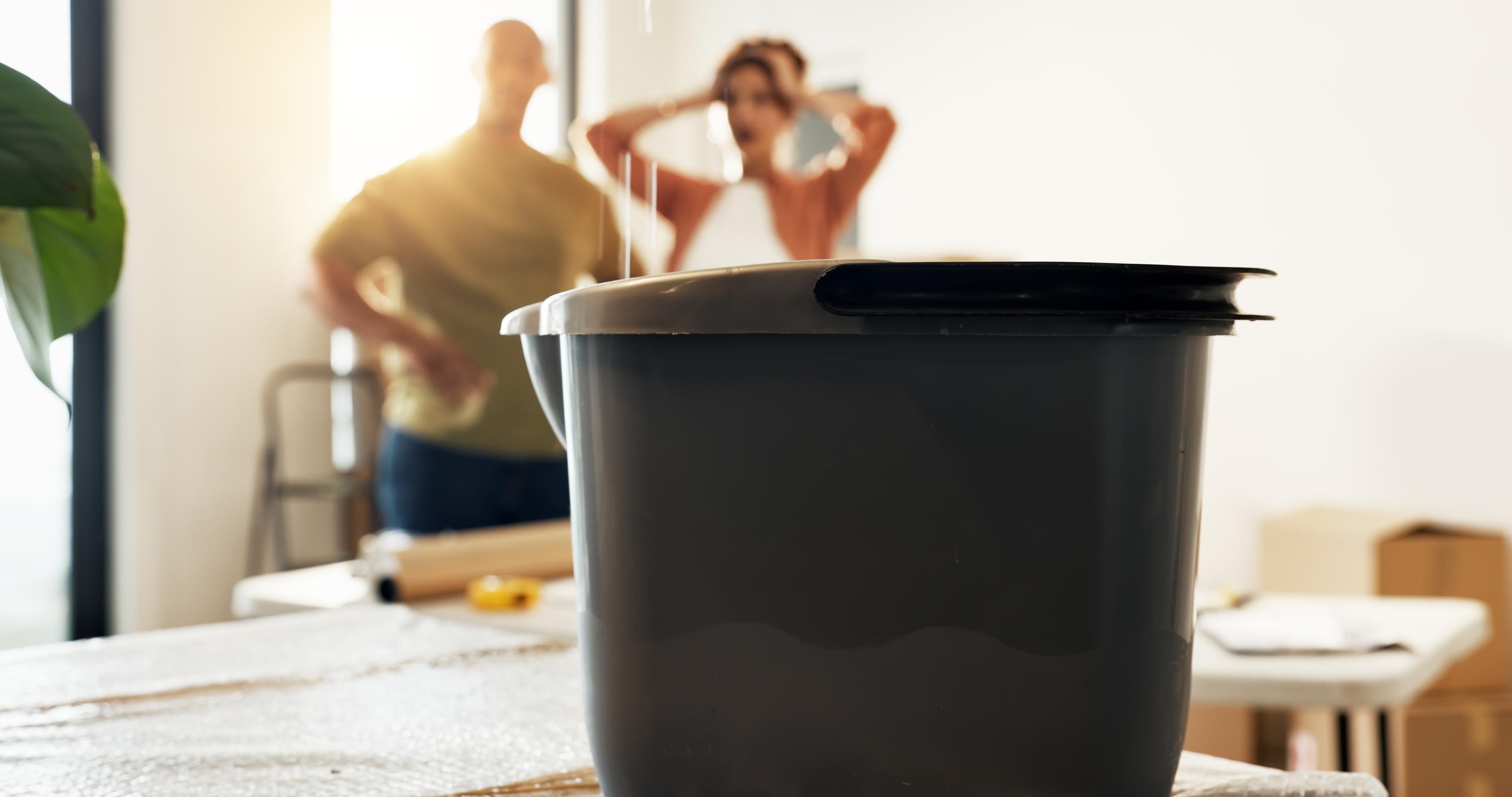
Cleaning surfaces before painting is essential. Pressure washing removes dirt, grime, and loose paint from exteriors, ensuring a clean canvas for new paint. This step is particularly important for exterior painting in Chattanooga, where weather can leave surfaces dirty and weathered.
For interiors, a thorough cleaning is also crucial. Dust and other particles can affect paint adhesion. By starting with a clean surface, you increase the likelihood of a smooth and lasting finish. The effort put into cleaning pays off with a final result that looks polished and professional.
Repairing Drywall and Wood Rot
Addressing issues like drywall damage and wood rot is key to a successful paint job. Your painting team will repair any drywall imperfections, ensuring a flawless surface. This includes patching holes and smoothing out rough areas.
For wood surfaces, checking for rot is critical. If wood rot is present, it must be repaired or replaced before painting. This step prevents future damage and ensures the paint adheres properly. Investing time in these repairs enhances the durability and appearance of your paint job.
Caulking, Sealing, and Priming
Before painting, sealing gaps and cracks with caulk is a necessary step. This prevents moisture from seeping in and causing damage over time. Sealing also creates a seamless finish that enhances the overall look of your painted surfaces.
Priming is another crucial step that can’t be overlooked. It improves paint adhesion, ensures color accuracy, and provides a uniform base for the final coat. By priming surfaces beforehand, you lay the groundwork for a paint job that not only looks great but also stands up to wear and tear.
Additional Services for a Complete Refresh
Eco-Friendly and Low-VOC Paint Options
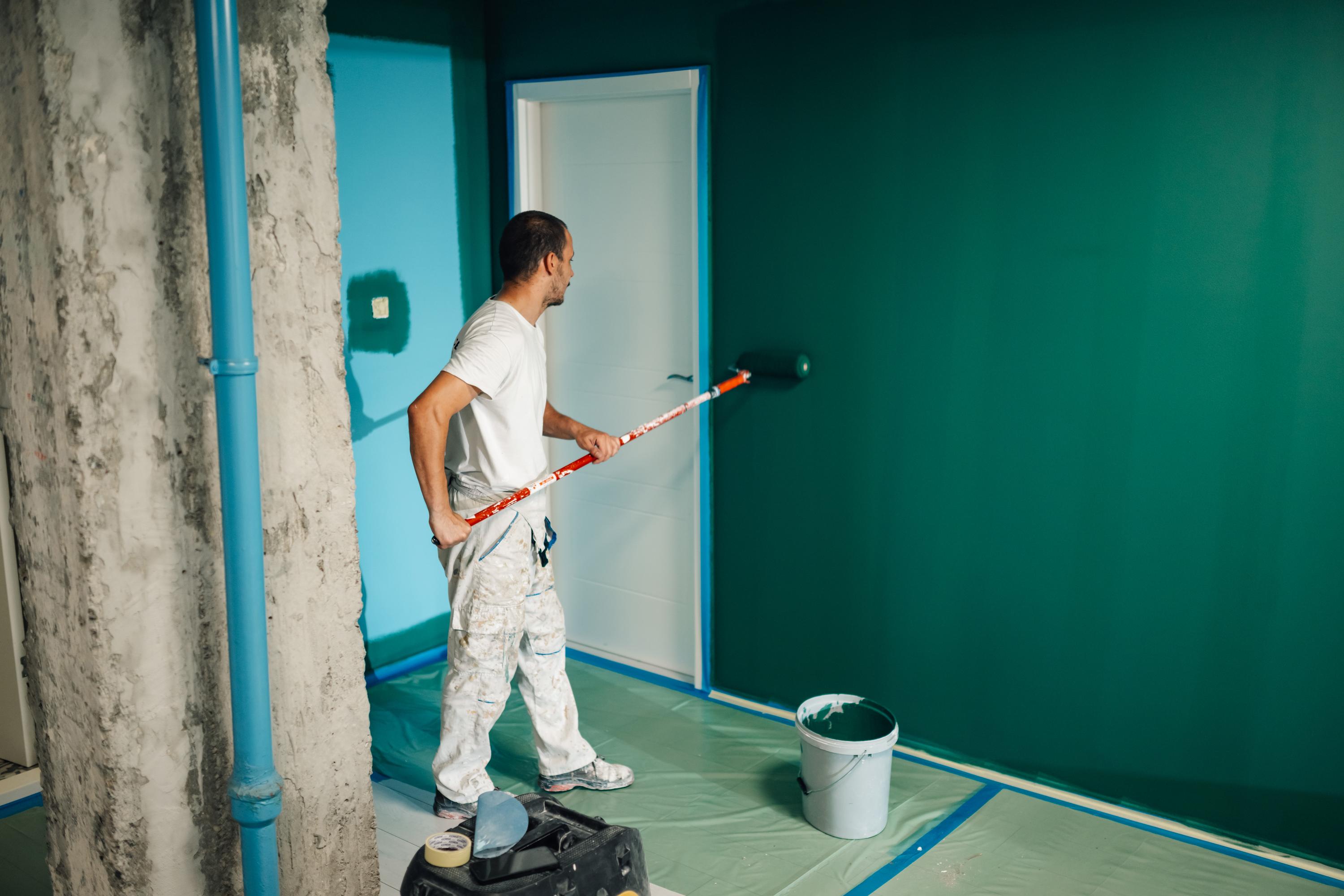
Choosing eco-friendly and low-VOC paints is an excellent way to reduce environmental impact. These paints release fewer volatile organic compounds, making them a healthier choice for both you and the planet. They are available in a wide range of colors and finishes, so you don’t have to compromise on style.
By opting for these paints, you contribute to a cleaner and safer environment while still achieving the look you desire. It’s a small step that makes a big difference, especially for indoor spaces where air quality matters most.
Flexible Scheduling for Businesses
For commercial properties, flexible scheduling is a must. Painting teams can work around your business hours to minimize disruption. Whether you need work done on weekends or after hours, accommodating your schedule is a priority. This means your business operations continue smoothly while your space gets a fresh new look.
This flexibility ensures that your painting project enhances your property without interfering with daily activities. It’s a convenient way to maintain a professional appearance without sacrificing productivity.
Bilingual Communication and Support
Effective communication is key to successful projects. Offering bilingual support ensures that all clients receive clear information and guidance. Spanish-speaking clients can comfortably discuss their needs and preferences, knowing they are understood.
This commitment to communication fosters trust and satisfaction. It ensures that projects run smoothly, with all parties on the same page. By providing bilingual support, you create an inclusive environment where every client feels valued and respected.
Frequently Asked Questions
What is the first step in a painting project?
The first step is an initial consultation where you discuss your vision, color choices, and any specific requirements with a painting expert. This meeting helps create a detailed plan for your project.
How are surfaces prepared for painting?
Surfaces are thoroughly inspected for issues like cracks or peeling paint. Repairs are made, and surfaces are cleaned to ensure proper paint adhesion, resulting in a smooth and lasting finish.
Why is pressure washing important for exterior painting?
Pressure washing removes dirt, grime, and old paint, providing a clean surface for new paint. This step is crucial for ensuring the paint adheres properly and lasts longer.
What are the benefits of eco-friendly, low-VOC paints?
Eco-friendly, low-VOC paints release fewer harmful compounds into the air, making them a healthier choice for both indoor and outdoor environments. They are available in various colors and finishes, offering style without compromising on health.
How can commercial businesses schedule painting without interrupting operations?
Painting teams can work around your business hours, offering flexible scheduling options like weekend or after-hours work to ensure minimal disruption to your operations.