
Wood staining often beats paint for decks, fences, and outdoor trim in Chattanooga’s climate. When your wood needs protection from sun and moisture while showing off its natural beauty, staining can be the smarter choice. This guide will help you pick the right stain type and timing so your wood lasts longer and looks great. Ready to refresh your wood surfaces? Call today for a free, bilingual estimate with Ricki Vazquez Painting and Remodeling.
Benefits of Wood Staining Over Paint
Choosing the right finish for your exterior wood can make a big difference. Staining offers several advantages over paint. The benefits range from protection against the elements to showcasing the wood’s natural beauty.
Protecting Wood from Elements
Staining acts as a shield for your wood. It repels moisture and sun damage, making it ideal for Chattanooga’s weather. Unlike paint, which can crack and peel, stains penetrate the wood. This helps in maintaining durability. You’ll find that stained wood can withstand harsh weather better, reducing the need for frequent repairs. Wood staining also helps in preventing rot, which is essential for decking and fences.
Enhancing Natural Beauty
One of the standout features of wood staining is how it highlights the natural grain. Paint covers, while stains enhance. This makes your outdoor spaces look more natural and appealing. With various stain colors available, you can choose one that complements your home’s exterior. Staining doesn’t just protect; it enhances, making your deck or fence a design feature. When you let the wood’s beauty shine through, it adds a unique touch to your property.
Easier Maintenance for Outdoor Wood
Stained surfaces are easier to maintain than painted ones. Stains don’t peel, requiring less effort to keep them looking fresh. When wear starts showing, re-staining is simple. There’s no need to scrape off old layers, saving you time and effort. Regular maintenance becomes a breeze, allowing you to enjoy your outdoor spaces without much hassle. This ease makes staining a practical choice for busy homeowners.
Choosing the Right Stain and Timing

Now that you know the benefits of staining, how do you choose the right type and apply it at the right time? Let’s explore your options.
Understanding Stain Options
Stains come in various forms and finishes. You can opt for transparent stains to see the full grain or semi-transparent stains for more color. For maximum protection, solid stains offer a paint-like finish while still allowing some grain to show. Your choice depends on the look you want and the level of protection your wood needs. It’s worth noting that low VOC stains are available, providing a more eco-friendly option.
Best Time for Staining Projects
Timing is crucial for a successful staining project. Aim for mild, dry weather. Spring and fall are often the best seasons. This ensures the stain cures properly, giving the best results. Avoid staining when rain is forecasted, as moisture can affect the finish. Planning your project around optimal weather conditions can significantly impact the longevity of the stain.
Signs It’s Time to Stain
How do you know when your wood needs staining? Look for signs like fading, water soaking into the wood, or a chalky surface. These indicate that the protective barrier is wearing thin. Addressing these signs early prevents more extensive damage. Regular inspection helps in maintaining the wood’s appearance and durability, ensuring it always looks its best.
Preparing for a Successful Staining Project
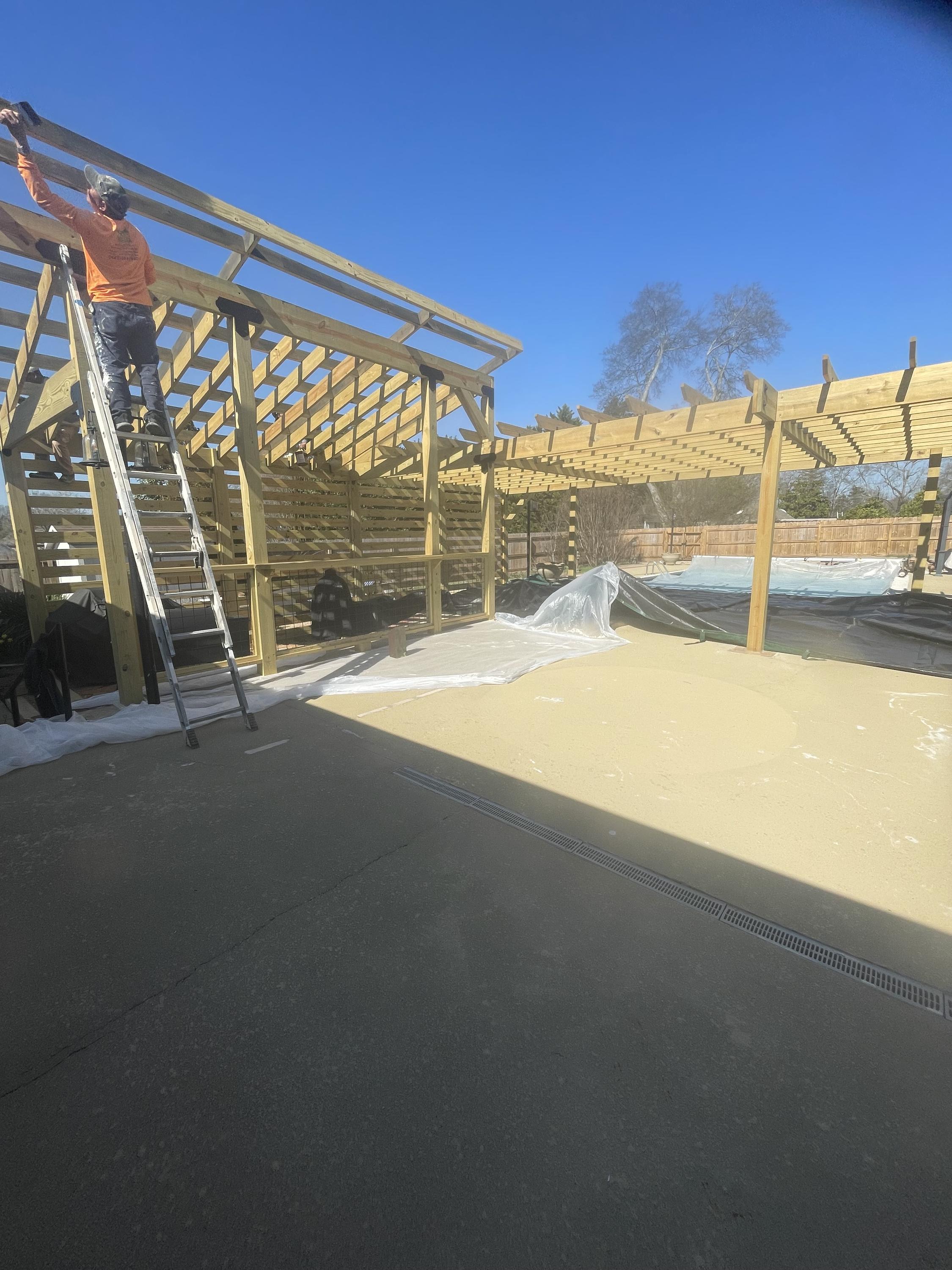
Preparation is key to a successful staining outcome. Proper prep sets the stage for long-lasting results.
Essential Surface Prep Steps
Before staining, clean and smoothen the wood. This involves sanding rough spots and removing any dirt. A clean surface ensures the stain adheres well, providing even coverage. Don’t rush this step; a little prep goes a long way in achieving professional results. Good prep work can make the difference between a satisfactory finish and a standout one.
Importance of Pressure Washing
Pressure washing is an effective way to clean outdoor surfaces. It removes grime and old stains, giving your wood a fresh start. Pressure washing prepares the wood to absorb new stain evenly. This step is especially important for decks and fences that face heavy outdoor exposure. By investing time in pressure washing, you set a strong foundation for your staining project.
Achieving Long-lasting Results
To get the most out of your staining efforts, follow through with proper application techniques. Apply stain evenly and allow adequate drying time. Regular reapplication based on wear and weather conditions will extend the life of your stain. Consistent care not only protects your investment but keeps your outdoor areas looking vibrant and inviting.
Frequently Asked Questions
What makes wood stain better than paint?
Wood stain penetrates the wood, offering better protection and showcasing its natural beauty. It doesn’t peel like paint, making maintenance easier.
How often should I re-stain my deck?
This depends on wear and climate conditions, but generally, every two to three years is ideal to maintain protection and appearance.
Can I stain over old paint?
No, you need to remove old paint for the stain to adhere properly. Sanding or pressure washing can help prepare the surface.
What’s the best weather for staining wood?
Mild, dry weather is best. Spring and fall are typically ideal, avoiding rain and extreme temperatures for optimal results.
Is pressure washing necessary before staining?
Yes, it helps remove dirt and old stains, ensuring a clean surface for better stain absorption and even coverage.
For more insights and expert advice, feel free to reach out to the friendly team at Ricki Vazquez Painting and Remodeling. We’re here to help you every step of the way.